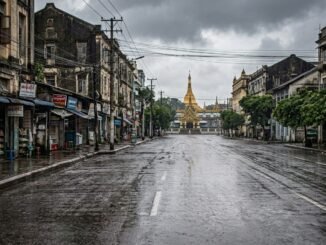
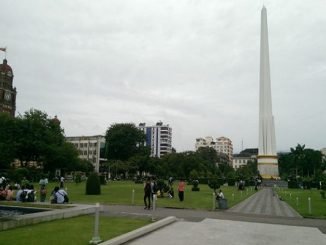
30 September 2025 – Yangon, Myanmar’s commercial capital, spent the third quarter of 2025 navigating a complex landscape dominated by the compounding economic fallout from the devastating 28 March earthquake in Sagaing, persistent security concerns, and high inflation that continued to squeeze city residents.
The period from July to September saw the economic repercussions of the magnitude 7.7 earthquake, which centered at Sagaing near Mandalay but impacted regions across the country, continue to be felt keenly in Yangon. The World Bank’s June 2025 Economic Monitor projected a 2.5 percent contraction in Myanmar’s GDP for the fiscal year 2025/26, largely attributing it to the earthquake’s estimated $11 billion in damages.
While Yangon was less structurally damaged than other regions like Mandalay and Sagaing, the city experienced secondary effects, including power shortages that impacted businesses and households. Disruptions to road access between Yangon and Central Myanmar also complicated logistics and delayed the delivery of essential aid in the early months of the recovery.
Soaring Prices and Livelihood Strain
Inflation remained a major burden on Yangon’s population. With the annual inflation estimated at 34.1 percent to April 2025, the rising cost of food and other essentials significantly strained household incomes and consumption in the city. Relief organizations, including the World Food Programme (WFP), highlighted that a staggering 15 million people nationwide were expected to face hunger in 2025, underscoring the severity of the socioeconomic downturn hitting even the commercial center.
- Poverty Crisis: Data highlighted a dramatic rise in urban poverty, with a June 2025 report showing that 43% of Yangon’s urban population was classified as poor in 2023—a fourfold increase from 2017. This surge, particularly affecting internal migrants, intensified as the year progressed.
- Inflation and Currency: The national inflation rate was projected to remain high at 30.0% for 2025, crippling the purchasing power of ordinary citizens. The depreciation of the Myanmar Kyat (MMK) contributed to soaring prices for essential goods and shortages of raw materials.
- Labor and Migration: Economic desperation, coupled with concerns over the mandatory conscription law, continued to drive large numbers of young people to seek employment abroad, leading to a significant brain drain and labor shortages in Yangon’s industrial zones. Reports in October noted the closure of garment factories following the imposition of new tariffs.
Despite the challenges, the city hosted several events reflecting the ongoing efforts of various groups in the strained environment:
- Business Networking: EuroCham Myanmar held its 19th Security Briefing in September, along with an Intra-Chamber Networking Event, indicating the continued, albeit cautious, presence of the international business community.
- Youth Forum: The “Future Front Myanmar: Youth Strategy Forum 2025” took place in late August, an officially sanctioned event aimed at engaging youth on topics of geopolitics and national strategy.
Reference: Various sources