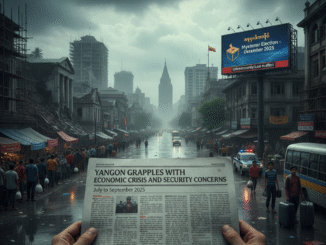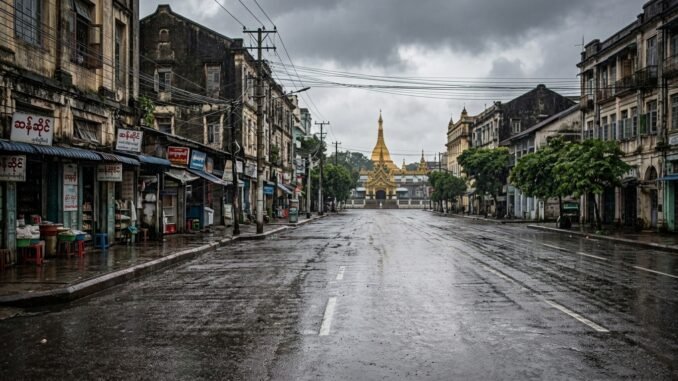
Yangon’s socio-economic landscape remained heavily defined by structural vulnerabilities, lingering inflationary waves, and seasonal monsoon disruptions.As Myanmar’s primary commercial hub, the city continues to anchor the nation’s formal economy, yet urban households face relentless pressure on multiple fronts.
Macroeconomic Strain & Inflation
Following earlier global fuel supply shocks, elevated transport costs and logistics bottlenecks continued to ripple through Yangon’s retail sector in mid-2026.With inflation hovering around mid-20s percentage rates nationwide, the real purchasing power of middle- and lower-income residents has visibly eroded.
Monsoon Impact & Essential Goods
Heavy July and August rains in lower Myanmar exacerbated supply chain friction.While local agricultural corridors in the surrounding Ayeyarwady region kept fundamental staples like rice relatively steady, perishable logistics—such as meat, poultry, and cold-storage seafood—saw price bumps due to persistent power grid constraints.Urban businesses continue to rely on costly off-grid generators to maintain operations during peak outages.
Labor Markets and Everyday Reality
While manufacturing and service sectors in Yangon show minor pockets of operational resilience compared to restive border states, labor markets remain constrained.Household budgets are overwhelmingly prioritized toward daily survival, food security, and basic utilities, dampening discretionary consumer spending across the city’s commercial districts.